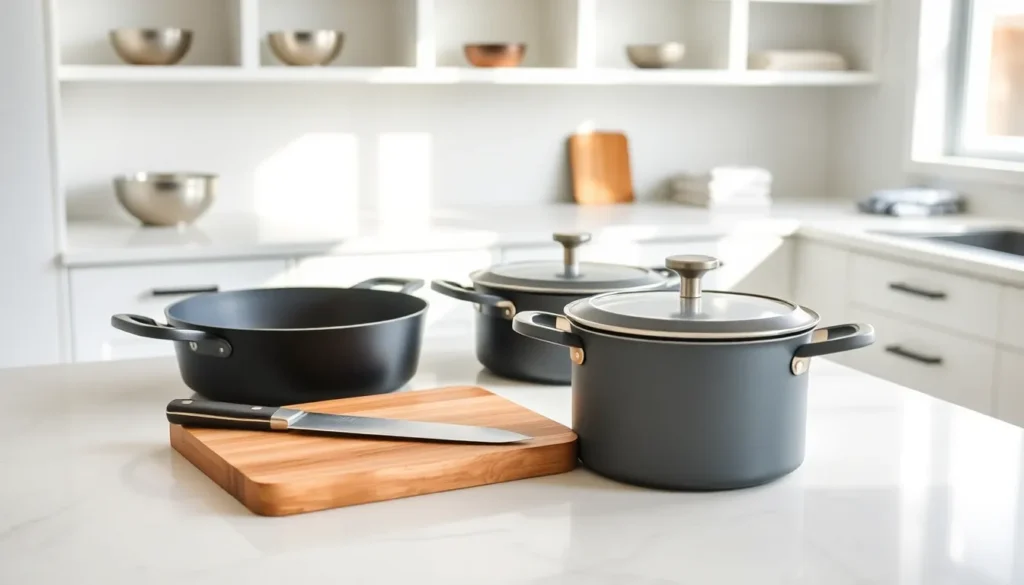
Top minimalist living practices help people reduce stress, save money, and focus on what matters most. This lifestyle removes excess belongings, commitments, and distractions. The result is a calmer home, clearer mind, and more time for meaningful activities.
Minimalist living doesn’t require bare walls or empty rooms. It means keeping only items that serve a purpose or bring genuine joy. Many people adopt this approach to escape cluttered homes and overwhelming schedules. They want freedom from constant consumption and decision fatigue.
This guide covers practical tips for decluttering spaces, streamlining daily routines, and building a minimalist mindset. Each section provides actionable steps that anyone can start using today.
Table of Contents
ToggleKey Takeaways
- Top minimalist living practices reduce stress and save money by removing excess belongings, commitments, and distractions from daily life.
- Start decluttering with one small area using the four-box method (keep, donate, trash, relocate) to build momentum without feeling overwhelmed.
- Reduce decision fatigue by creating capsule wardrobes, meal planning, and establishing fixed routines that preserve mental energy for important matters.
- Adopt a one-in-one-out rule for purchases and schedule quarterly decluttering sessions to maintain a minimalist home long-term.
- Shift your mindset by separating self-worth from possessions and defining what “enough” means for your income, wardrobe, and living space.
- Prioritize experiences over things—research shows travel, relationships, and adventures create more lasting happiness than material purchases.
What Minimalist Living Really Means
Minimalist living focuses on intentional choices about possessions, time, and energy. It’s not about deprivation or counting belongings. The core idea is simple: own less stuff, do fewer things, and make room for what actually matters.
Many people confuse minimalist living with extreme frugality or aesthetic preferences. White walls and sparse furniture are optional. A family of five can live minimally while keeping toys, books, and sentimental items. The key difference lies in purpose. Every object earns its place through regular use or emotional significance.
This lifestyle addresses a modern problem. The average American home contains 300,000 items, according to professional organizers. Most of these things sit unused, taking up space and mental bandwidth. Minimalist living cuts through that accumulation.
People adopt minimalist living for different reasons. Some want financial freedom and stop buying things they don’t need. Others crave more time with family instead of cleaning and organizing excess belongings. Many seek mental clarity, fewer possessions mean fewer decisions and less visual noise.
The benefits extend beyond a tidy closet. Research shows cluttered environments increase cortisol levels and reduce focus. Minimalist living creates physical and mental breathing room. It shifts attention from acquiring things to experiencing life.
Decluttering Your Physical Space
Decluttering forms the foundation of minimalist living. Physical spaces affect mental states directly. A crowded room creates cognitive overload while open spaces promote calm and productivity.
Start with One Area
Begin with a single drawer, shelf, or corner. Completing one small zone builds momentum without overwhelming the process. Many people fail at decluttering because they tackle entire homes at once. Pick the bathroom cabinet or kitchen junk drawer first.
Use the Four-Box Method
Place four containers in your decluttering zone: keep, donate, trash, and relocate. Handle each item only once. Make quick decisions. If something hasn’t been used in twelve months and holds no sentimental value, it probably shouldn’t stay.
Question Every Possession
Ask three questions about each item:
- Does this serve a specific function in my life?
- Did I use this in the past year?
- Would I buy this again today?
Honest answers reveal what deserves space in a minimalist home.
Address Sentimental Items Last
Emotional attachments make decluttering harder. Start with easy categories like expired products, duplicate tools, or clothes that don’t fit. Build decision-making muscles before touching family heirlooms or childhood memorabilia.
Create Systems to Prevent Accumulation
Minimalist living requires ongoing maintenance. Establish a one-in-one-out rule for new purchases. Schedule quarterly decluttering sessions. Place a donation box near the door for items that no longer serve their purpose.
The goal isn’t an empty house. It’s a home where everything has value and a designated place.
Simplifying Your Daily Routines
Minimalist living extends beyond physical possessions to daily habits. Overscheduled days and complicated routines drain energy just like cluttered closets. Simplification creates more hours for rest, creativity, and connection.
Reduce Decision Fatigue
Every choice depletes mental energy. Steve Jobs wore the same outfit daily for this reason. Consider creating capsule wardrobes, meal planning for the week, or establishing fixed workout times. Fewer daily decisions preserve willpower for important matters.
Audit Your Commitments
List every recurring obligation: meetings, subscriptions, social events, volunteer work. Evaluate each one honestly. Does this commitment align with current priorities? Many people carry outdated obligations that served past versions of themselves.
Say no more often. Minimalist living means protecting time as carefully as physical space.
Streamline Morning and Evening Rituals
Complicated routines create stress and rarely stick. Effective minimalist morning routines take fifteen to thirty minutes. They might include hydration, movement, and a single priority task, nothing more.
Evening routines prepare for better mornings. Lay out clothes, pack bags, and review tomorrow’s schedule the night before. These small preparations eliminate morning chaos.
Batch Similar Tasks
Grouping related activities saves time and mental switching costs. Answer emails during designated blocks instead of continuously. Run all errands on one day. Cook multiple meals during a single session.
Embrace Boredom
Constant stimulation fragments attention. Minimalist living includes space for unscheduled time. Allow waiting rooms, commutes, and quiet evenings to remain device-free occasionally. Boredom sparks creativity and reduces anxiety.
Building a Minimalist Mindset
Physical decluttering and routine simplification won’t last without mental shifts. Minimalist living requires examining beliefs about success, security, and happiness.
Separate Identity from Possessions
Consumer culture links self-worth to ownership. Nice cars, designer clothes, and filled homes signal status. Minimalist living challenges this connection. People aren’t their belongings. Worth comes from character, relationships, and contributions.
This mindset shift takes time. Start noticing when purchases aim to impress others rather than meet genuine needs.
Practice Gratitude for What Exists
The urge to acquire often stems from focusing on gaps instead of abundance. Daily gratitude practice redirects attention to existing blessings. A three-minute evening reflection on positive moments costs nothing and changes perspective.
Define Enough
Minimalist living requires knowing when to stop. How much money is enough? How many clothes? How large a home? Without clear definitions, accumulation continues indefinitely.
Write down specific numbers. This house has enough storage. This wardrobe meets all needs. This income covers expenses with room for savings. Concrete boundaries prevent endless wanting.
Accept Imperfection
Perfectionists struggle with minimalist living. They keep items “just in case” or delay decisions until finding the perfect system. Progress matters more than perfection. A mostly decluttered home beats a paralyzed one.
Focus on Experiences Over Things
Research consistently shows experiences create more lasting happiness than purchases. Minimalist living redirects resources from stuff to memories. Travel, classes, dinners with friends, and adventures leave better returns than another gadget.